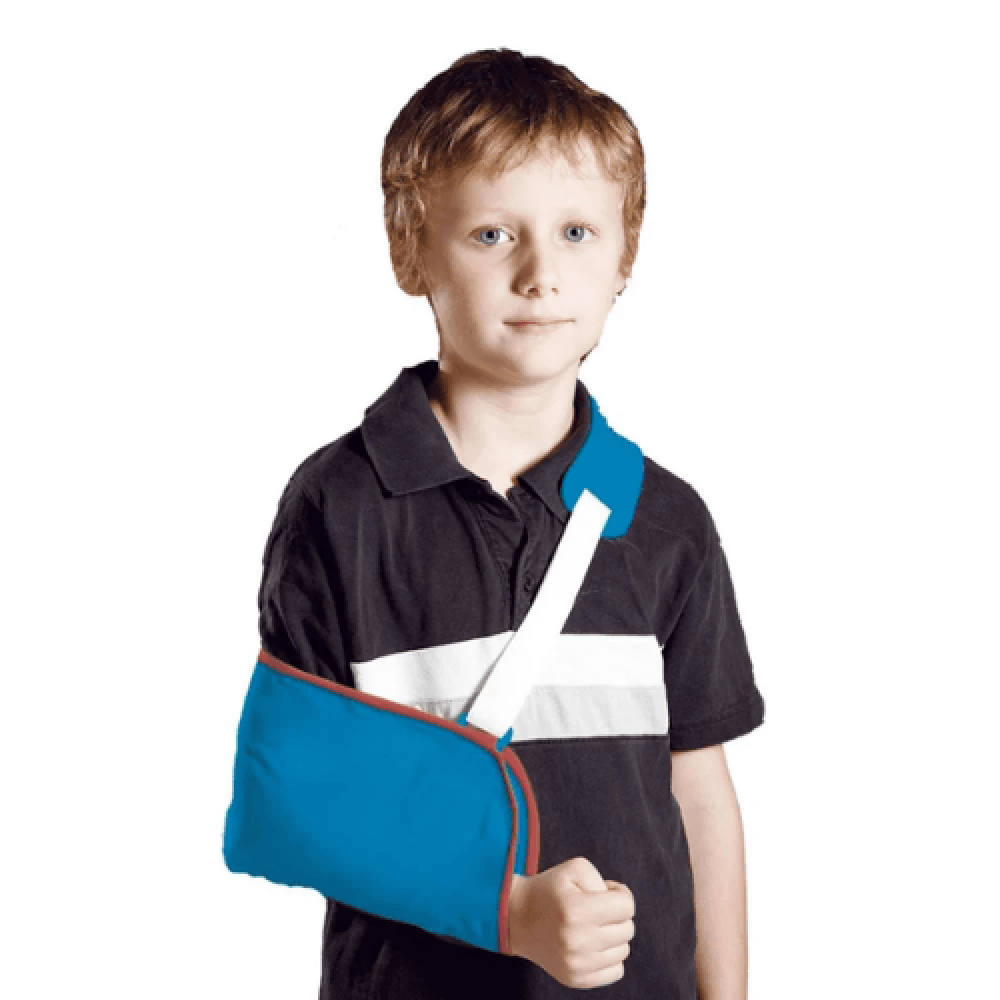
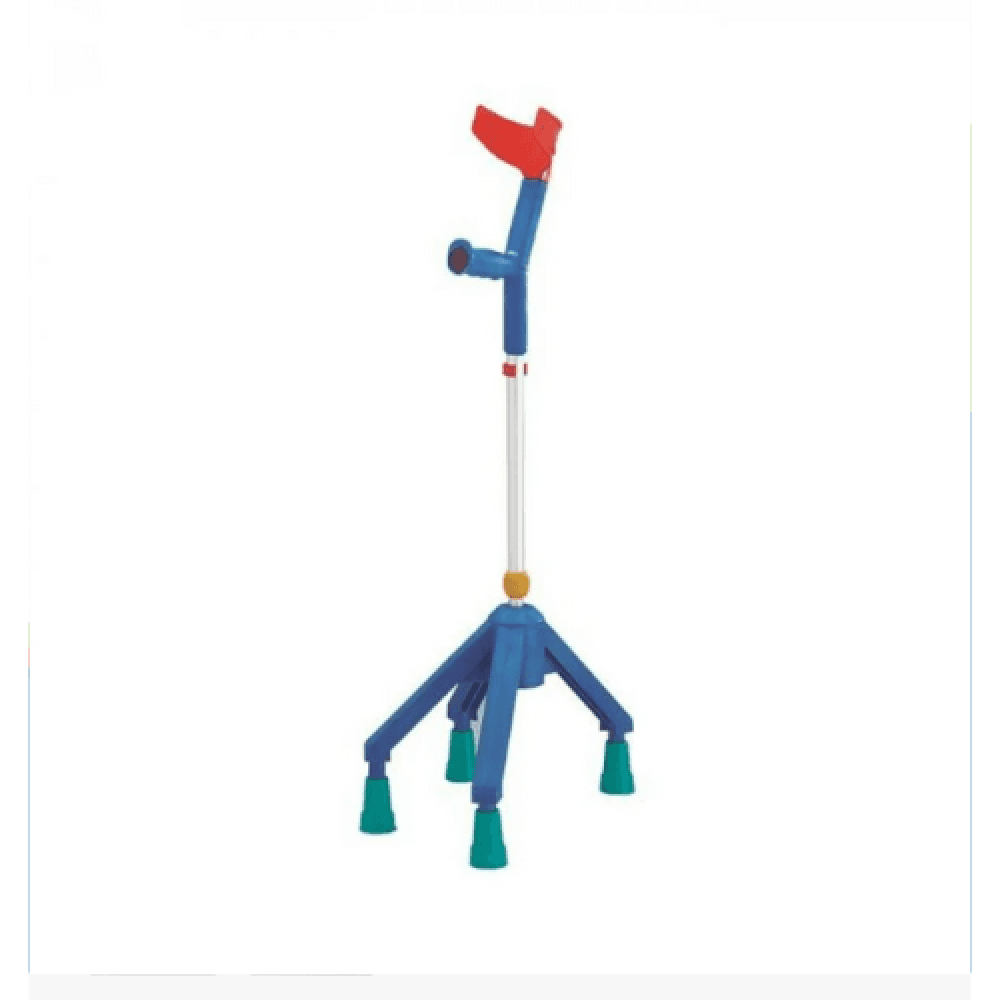
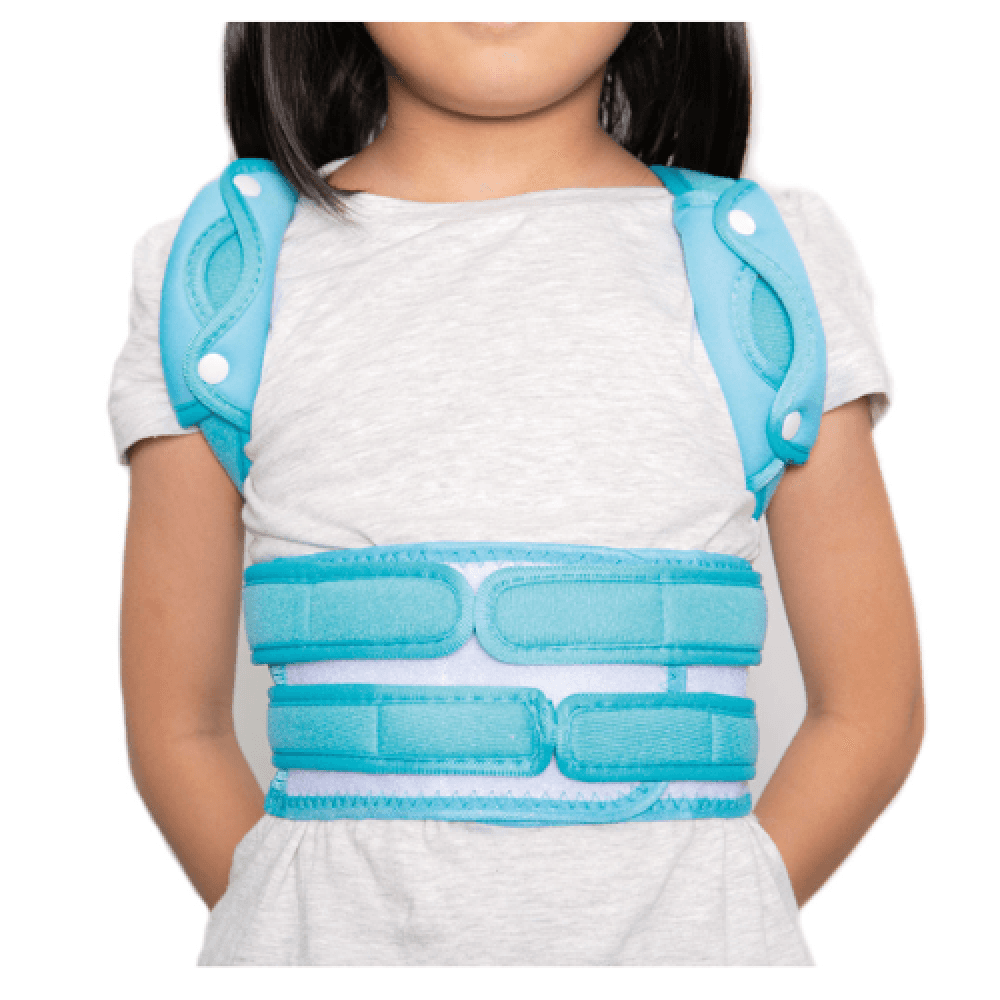
Pediatric Arm Sling, EAR801
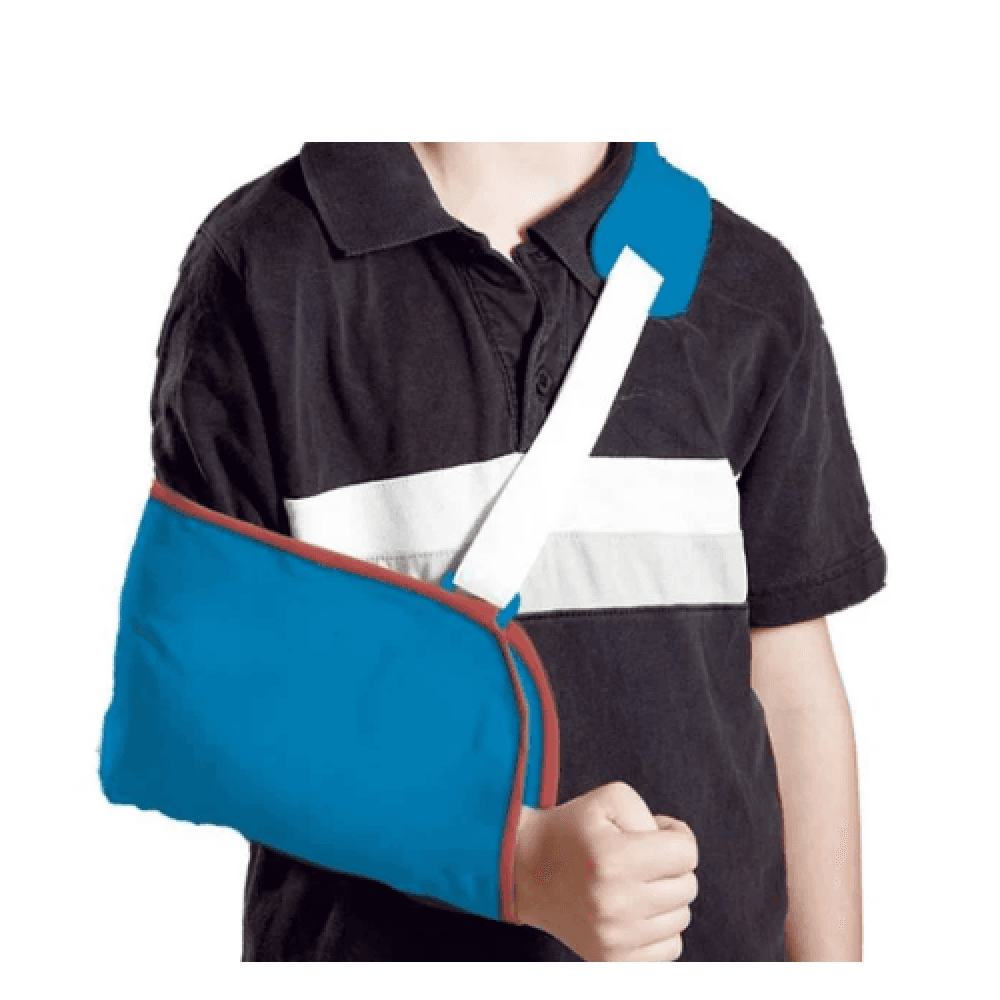
A pediatric arm and shoulder support designed to stabilize and support an injured upper limb. The EAR801 holds the arm in a secure, comfortable position—commonly with the elbow at about 90 degrees—to limit unwanted motion and assist healing.
Indications
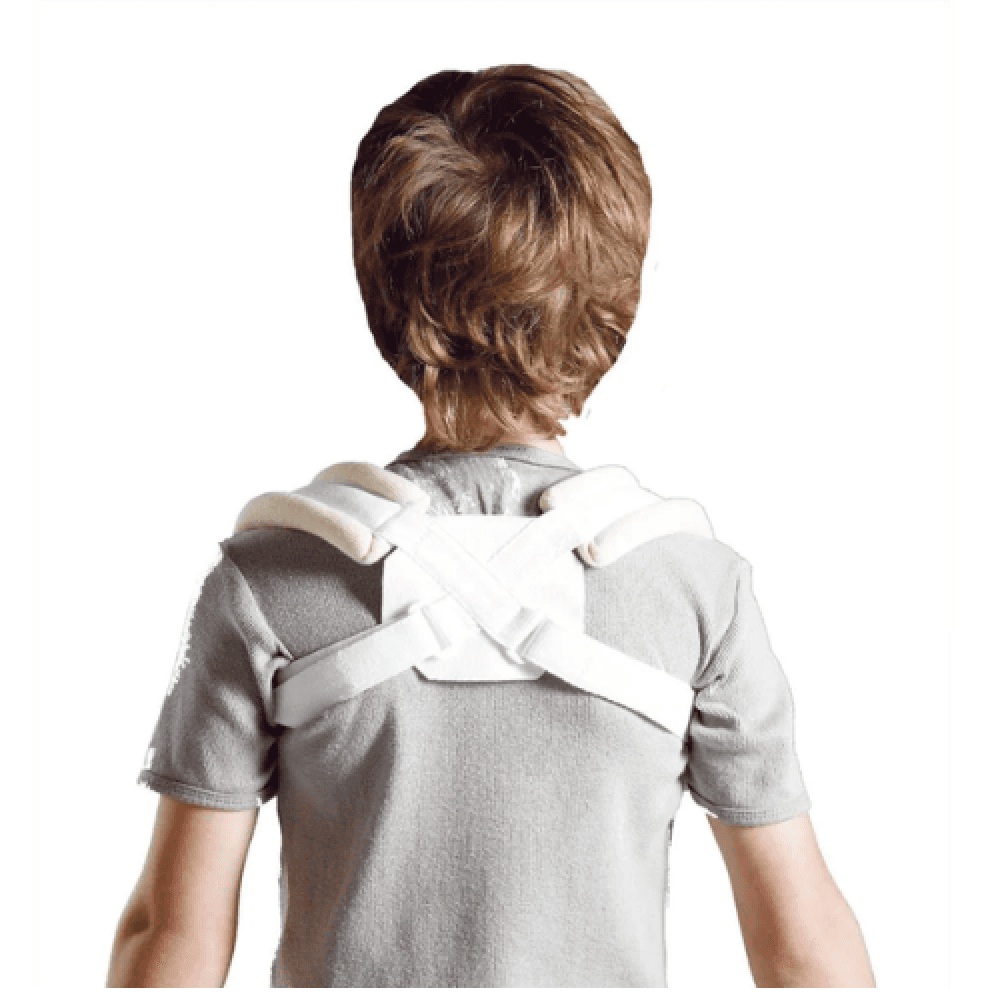
- Fractures of the arm, clavicle, or shoulder: provides stabilization to reduce movement and discomfort during bone healing.
- Post-operative support for the arm or shoulder: helps protect and stabilize the surgical area.
- Shoulder dislocation: supports the joint after reduction to help limit recurrence.
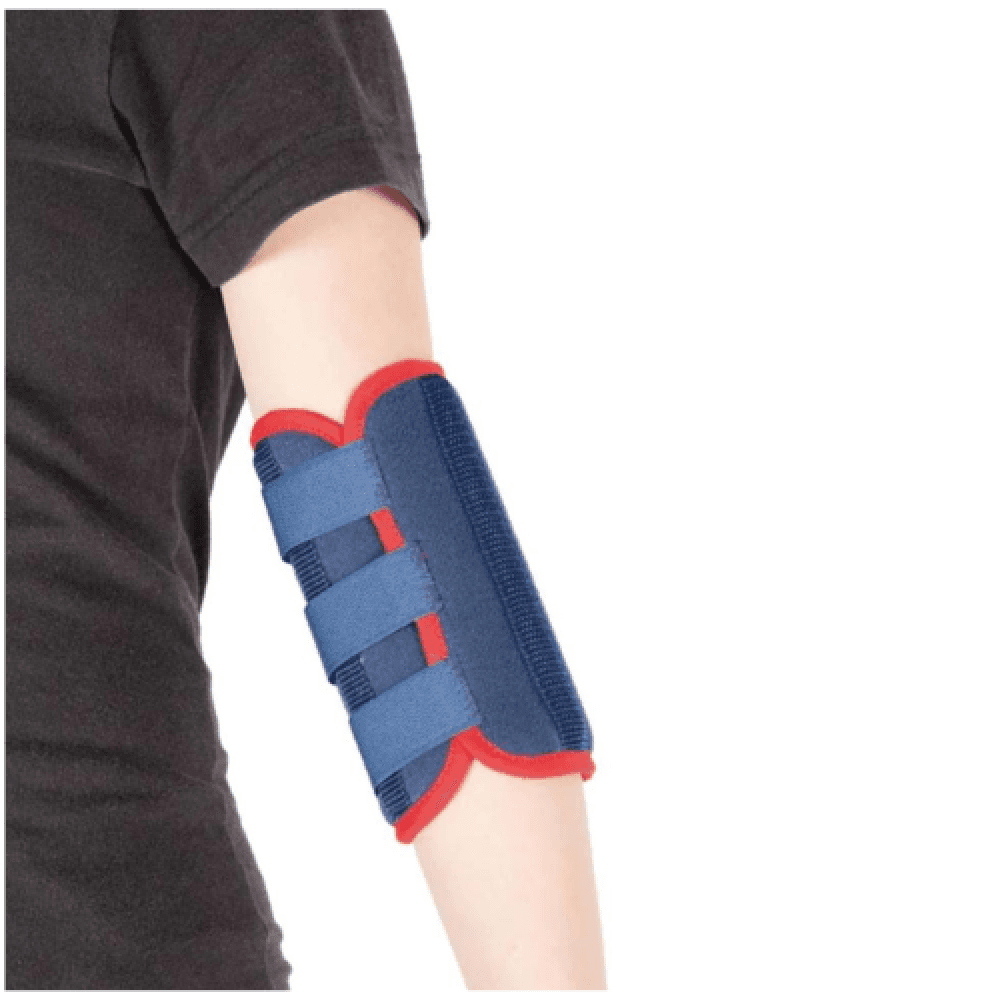
- Sprains and soft-tissue injuries of the arm, wrist, or hand: reduces strain on injured ligaments and tendons.
- Support with a cast or after cast removal: offers added protection and a gradual return to movement.
- To limit limb movement in select neurological conditions: can provide support and reduce strain in cases such as hemiparesis or muscle weakness.
Key features
- Skin-friendly, breathable materials: typically soft, lightweight fabrics such as polyester, polyamide, and cotton for pediatric comfort.
- Child-appropriate ergonomic design.
- Easy adjustability: adjustable shoulder straps with a sliding buckle to fine-tune sling length and elbow angle (around 90 degrees), helping maintain a comfortable fit as the child grows.
- Padded shoulder cushion to reduce pressure on the neck and shoulder during prolonged wear.
- Ambidextrous design for right or left arm use.
- Easy care and hygiene: typically machine- or hand-washable; follow the manufacturer’s cleaning instructions.
Use and care guidance
- Consult a physician: a pediatrician or orthopedic specialist should confirm the diagnosis, suitability of the EAR801 sling, and duration of wear.
- Select the correct size: base sizing on the child’s age and forearm length to ensure adequate support and comfort.
- Check the fit: the sling should be comfortable, not overly tight, and position the elbow at an appropriate angle (commonly about 90 degrees). Ensure straps do not create excessive pressure.
- Monitor the skin regularly under the sling for irritation, redness, or pressure marks.
- Maintain hygiene by following the specific washing instructions provided by the manufacturer.
- Limit activities that could stress the injured limb, even while the sling is worn, as advised by the physician.